CacheWarden
Keeps assistant prompt caches warm while you step away, so you don't pay to rebuild them.
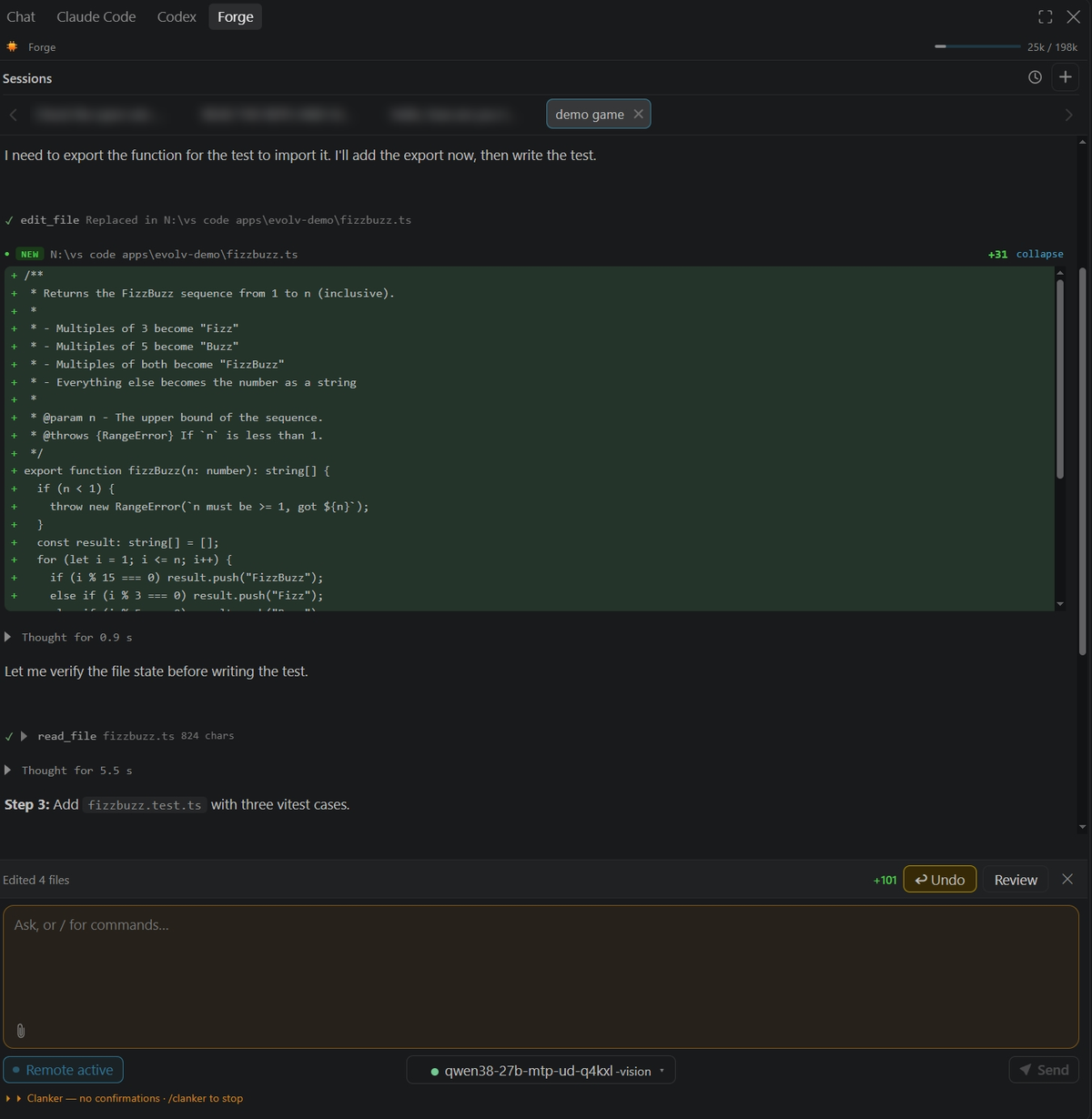
An open-source coding agent for VS Code, built for people who run their own models.
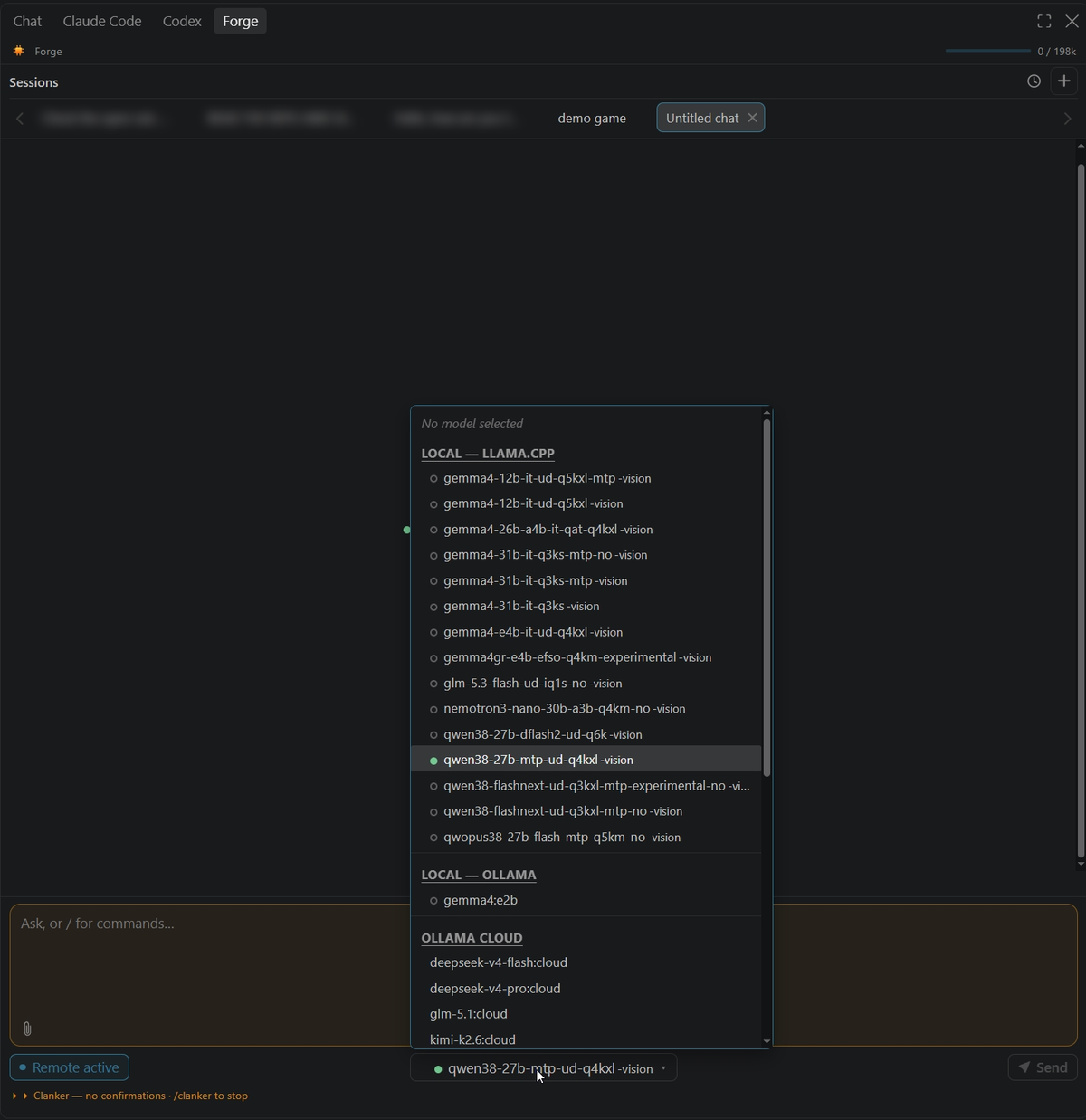
Forge loads GGUF models through llama.cpp and manages them properly: start, keep loaded, share across editor windows. Cloud models and the Claude Code and Codex CLI agents are there when you choose to add them.
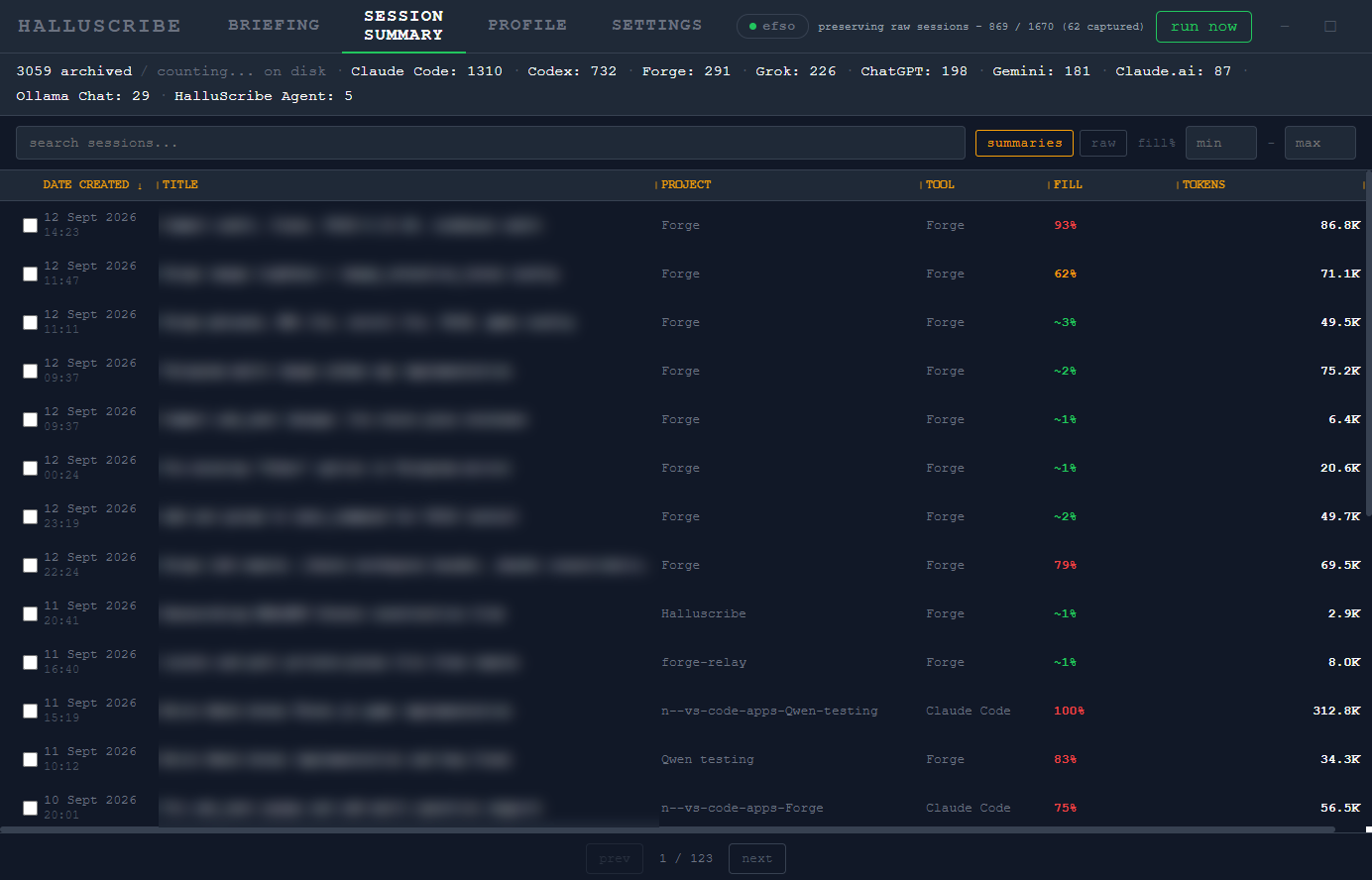
A private, searchable memory of every AI coding session you have had.
HalluScribe reads the session files your AI tools already write, summarises each one with a local model, and keeps a readable Markdown archive on your disk. Nothing is uploaded and there is no API bill.
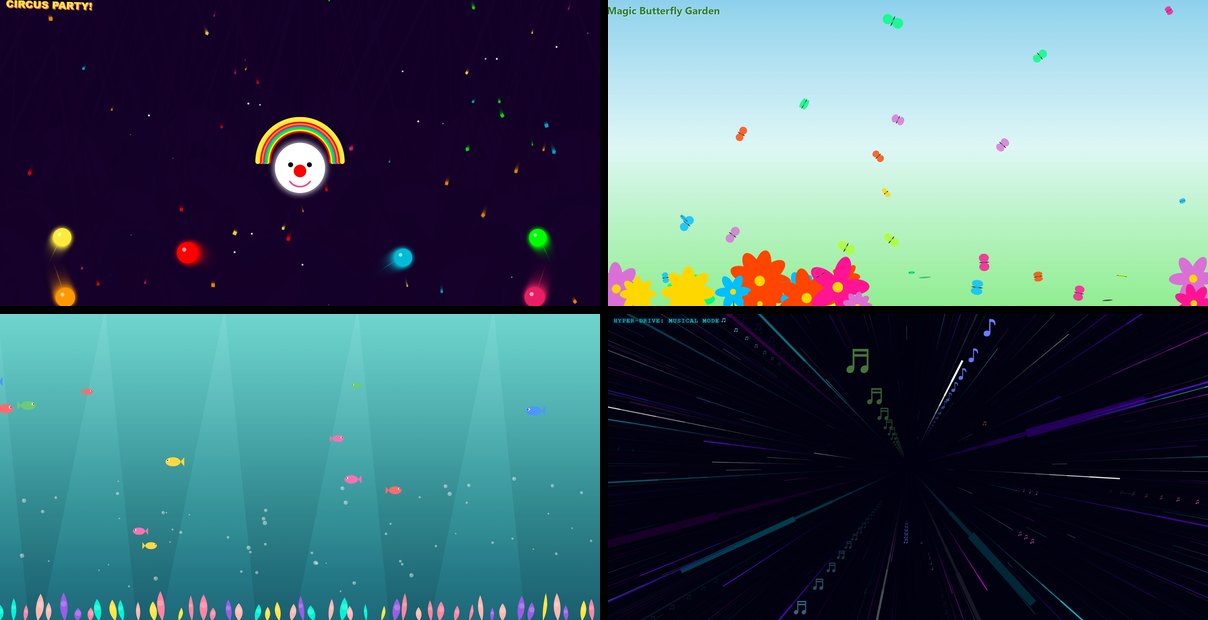
An offline learning companion for children aged 6–11, in their own language.
A child can ask anything, from fractions to what to do in an earthquake, and get a plain, age-appropriate answer. When they want to make something, Gemma writes a live animation they can watch, read and change. It runs entirely on the family computer with Google's Gemma 4.
We are adding first-class support for NVIDIA's open Nemotron models to Forge, with a tuned tool-calling profile for local agentic coding on NVIDIA GPUs. Our Greek fine-tune of Nemotron 3 Nano is finished and published as a case study; see Open models below.
Keeps assistant prompt caches warm while you step away, so you don't pay to rebuild them.
A coordination board for several AI agents at once: file claims, a shared event feed, and stop and pause for all.
A desktop ring that shows how full your model's context window is, and when quality is likely to drop.
Greek is one of the EU's 24 official languages and one of the least served by open models. We release ours publicly, in formats that run on a single consumer GPU.
Gemma 4 E4B fine-tuned for clean, natural Greek text answers, trained on 2,219 curated Greek question–answer pairs. The current build is v3; the Hugging Face repo keeps its v2 name. On 150 held-out Greek questions, stray foreign-script fragments drop from about 40% of answers to about 1%, and similarity to reference answers (chrF) rises from 0.30 to 0.39. It improves the form of answers, not their factual knowledge. Speech and image input use the stock model. Ships as GGUF for llama.cpp, and on Ollama as efso/gemma-4-e4b-it-gr-v2.
NVIDIA's hybrid Mamba-2 / mixture-of-experts model (30B total, ~3B active), fine-tuned for Greek with 4-bit LoRA on a 44 GB, three-GPU consumer workstation, natively on Windows (Mamba-2 kernels running without WSL). Three training runs, each on about 2,000 Greek question–answer pairs, made its Greek cleaner (no loops, no stray Cyrillic or Latin) but did not add knowledge: in a blind test it was level with the stock model on new questions. Both invent most Greek facts. The write-up covers the hardware limits (768 tokens per example was the most these cards could train) and why automatic scores misled us. Ships as GGUF (Q4_K_M, Q8_0) with the LoRA adapter.
A high-quality open Greek text-to-speech voice for Piper, recorded by a native speaker. Released under CC BY-NC 4.0.
evolv is an independent software studio in Greece. We work on one problem: making open-weight models genuinely useful for real work, on hardware people already own.
Raw inference speed is llama.cpp's job, and it does it well. The hard part is everything above the runtime: tool calls that don't break halfway, context that doesn't quietly overflow, file edits you can undo. That layer is what we build.
Questions, collaboration, or feedback on our tools.